What is polydextrose?
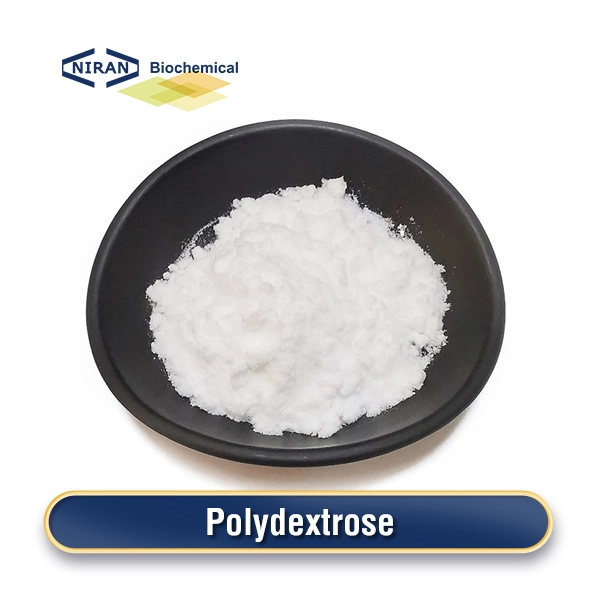
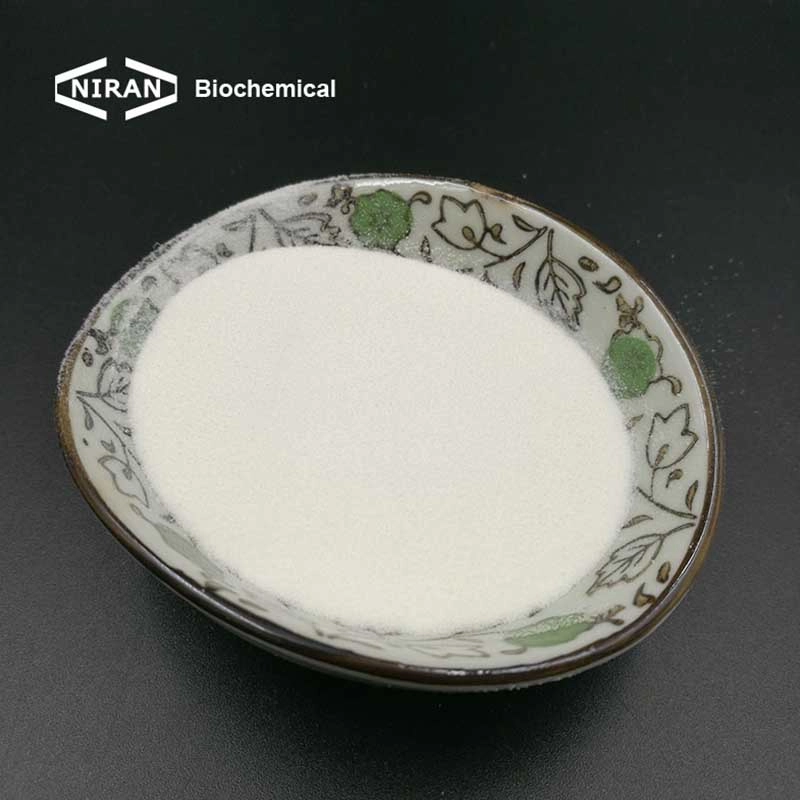
Polydextrose is a biodegradable polymer that appears as white or off-white solid particles or powder, has no special smell, and has good thermal stability. It has uses in the food sector as a thickener, sweetener, stabilizer, and more. It is also utilized in some capacities by the cosmetics and pharmaceutical industries.
The enzymatic approach and the chemical synthesis method are the two basic ways to synthesize polydextrose. The enzymatic method uses enzyme catalysis and the enzyme action of levulose to dextrose, uses D-glucose as raw material, and undergoes a series of enzyme reactions to synthesize polydextrose. This method has advantages in product purity and control of molecular structure, but the yield is low and the cost is high.
Chemical synthesis method: The chemical synthesis method of polydextrose is to connect D-glucose molecules through chemical reactions to form a polymer. There are many side reactions during the synthesis process, and the purity is relatively low.
Related parameters:
| Test ltems | Specifications |
| Appearance | White fine powder |
| Odor and Taste | Clean, slightly sweet |
| Identification | Meets test |
| Assay, as Polydextrose, %* | Min.95.00 |
| D-Anhydroglucoses,%* | Max.4.00 |
| Glucose+ Sorbitol,%* | Max.6.00 |
| Glucose,%* | Max.4.00 |
| Sorbitol,%* | Max.2.00 |
| Water, % | Max.4.00 |
| Molecular Weight Limit, D | <22000 |
| 5-Hydroxymethylfurfural and RelatedCompounds,%* | Max.0.10 |
| pH Range (10% solution) | 4.00-6.00 |
| Residue on lgnition (Sulfated Ash),% | Max.0.30 |
| Lead, mg/kg* | Max.0.4 |
| Arsenic, mg/kg* | Max.0.5 |
| Nickel, mg/kg* | Max.2.0 |
| Heavy Metals, mg/kg* | Max.5.0 |
| Light transparence,%(30% concentration) | Min.75.0 |
| Whiteness | Min.75 |
| Aerobic Plate Count, CFU/g | Max.100 |
| Yeast, CFU/g | Max.20 |
| Mold, CFu/g | Max.20 |
| E.Coli, MPN/g | <3.0 |
| Salmonella, CFU/25g | Negative to test |
| Staph aureus, CFU/10g | Negative to test |
Recommended dosage:
| Food name | Maximum usage(g/kg) |
| Beverages | 10.0 g/kg |
| Baked goods | 15.0 g/kg |
| Meat marinades | 8 g/kg |
| Canned fruit | 5 g/kg |
| Dairy products | 12 g/kg |
| Jam | 6 g/kg |
| Sauces | 8 g/kg |
| Salad dressing | 5 g/kg |
| Nutritional supplements | 8 g/kg |
| Meat products | 8 g/kg |
| Marinade | 8 g/kg |
Function of Polydextrose
Derived from the polymerization of dextrose (glucose), polydextrose stands out for its versatility and wide range of applications in the food industry. With its ability to act as a bulking agent, texture modifier, humectant, binding agent, and sugar replacement, polydextrose plays a crucial role in creating low-calorie, reduced-sugar, and fiber-enriched food products.
 |
Polydextrose has a wide range of uses
1. Control the metabolism of lipids
In order to effectively limit the absorption of fat in the digestive tract, encourage the excretion of lipid compounds, increase satiety, and reduce food intake—all of which contribute to the regulation of blood lipids, the reduction of fat accumulation, and the prevention of obesity—polydextrose can form a layer of membrane in the small intestine and wrap part of the fat in food.
2. Reduce cholesterol
Organic molecules like bile acid and cholesterol mutator can be absorbed by polydextrose, which can also be used to prevent and treat coronary artery sclerosis, cholelithiasis, cardiovascular and cerebrovascular diseases, decrease the synthesis and absorption of bile acid and salts, and lower the amount of cholesterol in human plasma and liver.
3. Decrease the absorption of sugar
In addition to preventing food from coming into complete contact with the digestive juices, polydextrose can also limit the production of glucagon, slow down the absorption of glucose, lowering postprandial blood sugar levels, maximize the function of insulin, and prevent diabetes.
4. Avoid and handle constipation
In addition to increasing the amount of feces, stimulating intestinal peristalsis, speeding up the frequency of defecations, and helping to keep the intestines moist and prevent constipation, polydextrose can absorb water, swell, and retain water in the human gut.
5. Cleansing and aesthetics
The intestine’s pH can be effectively regulated by polydextrose. Additionally, it can improve the conditions for the rapid reproduction of beneficial bacteria, including bifidobacteria, and increase their population. This inhibits the growth of saprophytes, prevents intestinal mucosal atrophy, and expedites the body’s excretion of toxins and metabolic waste, preventing toxins from exiting the skin and improving skin appearance while averting the development of hemorrhoids, gastroenteritis, colon cancer, and other illnesses.
Maximum Usage(g/kg)
 |
 |
 |
 |
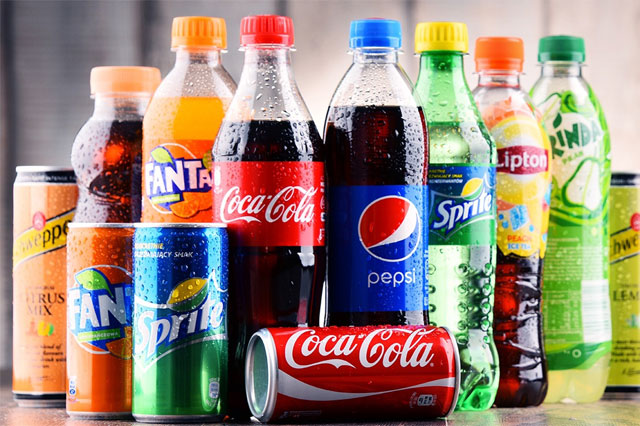
Beverages (10.0 g/kg)The maximum dosage of 10.0 g/kg in beverages is designed to ensure that the product remains palatable, higher levels could lead to a noticeable impact on taste and sweetness balance, as well as potential digestive issues like bloating or gas. |
Baked Goods (15.0 g/kg)A higher maximum dosage of 15.0 g/kg is permissible in baked goods because the cooking process can reduce the impact of Polydextrose’s bulk-forming properties. However, exceeding this limit could affect the texture and stability of the product. |
Canned Fruit (5 g/kg)A limit of 5 g/kg for canned fruit is imposed to ensure that the fruit maintains its natural flavor and texture. Exceeding this dosage could result in an overly sweet or artificial taste and potentially affect the fruit’s preservation and texture. |
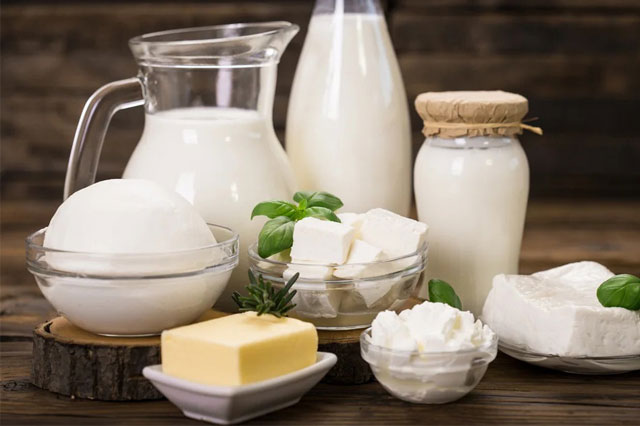
Dairy Products (12 g/kg)Dairy products are allowed up to 12.0 g/kg of Polydextrose to balance sweetness and texture while maintaining the product’s creamy consistency. Higher levels might disrupt the dairy’s natural mouthfeel and flavor profile, impacting consumer satisfaction. |
 |
 |
 |
 |
Jam (6 g/kg)For jam, the maximum dosage of 6.0 g/kg helps ensure that the texture and sweetness of the jam are appropriate and balanced. Excessive Polydextrose could alter the gel consistency and flavor, leading to an unsatisfactory product. |
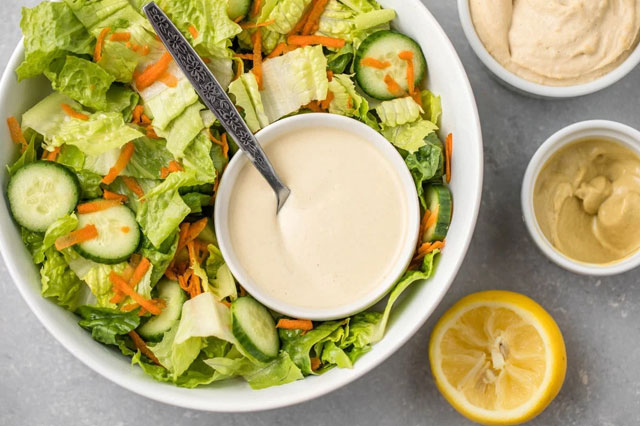
Salad Dressing (5 g/kg)The limit of 5.0 g/kg in salad dressing is set to maintain a desirable texture and flavor profile. Excessive amounts could impact the dressing’s consistency and taste, making it less enjoyable for consumers. |
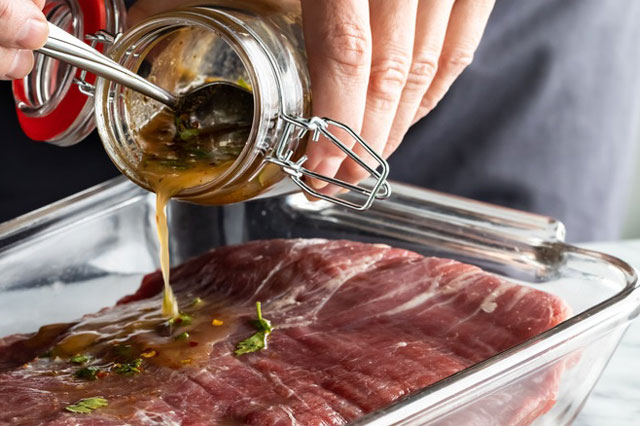
Meat Marinades (8 g/kg)The maximum dosage of 8 g/kg for meat marinades is set to prevent excessive sweetness or texture changes in the marinade. Higher concentrations might affect the marinade’s effectiveness and the overall sensory characteristics of the meat. |
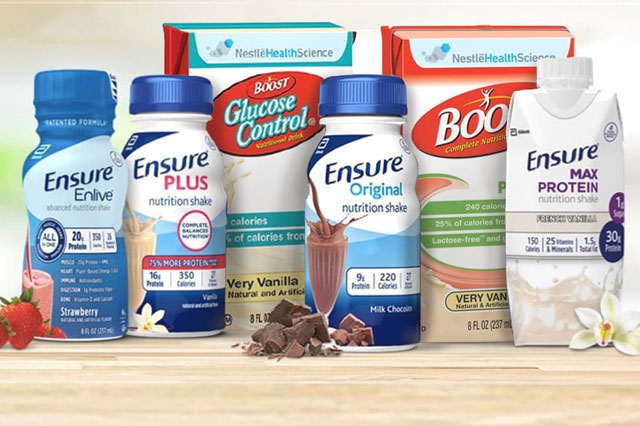
Nutritional Supplements (8 g/kg)Nutritional supplements have a maximum dosage of 8.0 g/kg to provide a beneficial amount of Polydextrose without causing digestive issues or affecting the supplement’s overall efficacy and taste. |
User asked question:
Q: Is polydextrose an artificial sweetener?
A: The food industry mainly uses polydextrose, a polysaccharide, as an ingredient. Common uses include as a stabilizer and thickener in food to improve the texture and taste of food. Unlike artificial sweeteners, polydextrose does not provide sweetness, but is used to improve the physical properties of food.
Q: Is polydextrose the same as monosaccharide glucose?
A: Polydextrose is different from the monosaccharide glucose. One of the main molecules used as an energy source is glucose, a monosaccharide. It can be directly metabolized in living organisms. Polydextrose is a polysaccharide made up of multiple glucose molecules connected by chemical bonds. It is often added to meals as an additive to improve the flavor and stability of food. It is significantly different from glucose in chemical properties and uses.