
Since late 2025, the global chemical and food additive market has been experiencing noticeable price fluctuations. Entering 2026 Q1, many raw materials remain at relatively high price levels, and the market environment has become increasingly complex for distributors, importers, and manufacturers.
In recent weeks, many buyers have reported receiving multiple quotations from factories within the same day. Some products have adjusted prices several times in a short period, while others continue to stay at historically high levels without showing clear signs of decline.
For companies involved in food ingredients, preservatives, surfactants, and other chemical materials, understanding the reasons behind these price movements has become essential for making smarter procurement decisions.
Global Oil Price Surge Is Driving Chemical Costs Up
One of the most important drivers behind the recent price increases is the rise in global crude oil prices.
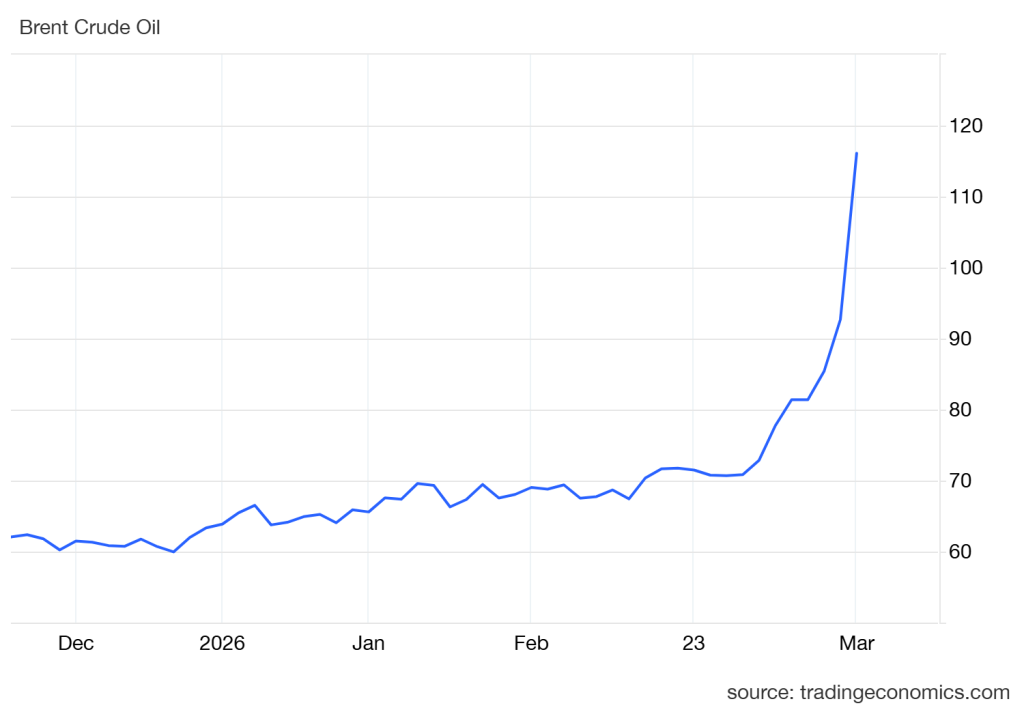
Ongoing geopolitical conflicts in several regions have pushed energy prices higher, creating ripple effects across multiple industries. Since crude oil is a key upstream resource for the chemical sector, fluctuations in oil prices often translate directly into higher production costs for many chemical products.
In the chemical industry, the relationship between oil and downstream products is well established. When oil prices rise, petrochemical intermediates become more expensive, and this increase eventually spreads through the entire supply chain.
Citric acid, one of the most widely used food additives in the global food industry, provides a clear example of how the market is evolving.
Since November 2025, citric acid prices have experienced several rounds of adjustments. Within just a few months, the market has seen around five price increases, pushing the overall price level significantly higher compared to last year.
As of 2026 Q1, citric acid prices remain at a relatively high level and have not shown clear signs of declining. Many market participants believe that this situation is closely linked to rising production costs and ongoing market uncertainty.
The impact of rising oil prices does not stop at petrochemical products. Instead, it extends across the entire chemical value chain.
As a result, many commonly used ingredients, including preservatives, surfactants, and various food additives, are currently facing significant cost pressure. For manufacturers and suppliers, maintaining stable pricing in such an environment becomes increasingly difficult.
Why Some Chemical Products Change Prices Several Times a Day
Another phenomenon that has drawn attention in recent months is the frequency of price adjustments.
Many traders and distributors have noticed that certain products may receive two or even three quotations from factories within a single day. While this may seem unusual at first, it is actually the result of several overlapping market factors.
Rapid Raw Material Cost Fluctuations
The most direct reason is the instability of raw material costs. When upstream chemical materials fluctuate quickly, factories often cannot maintain fixed prices for long periods. Instead, they must adjust quotations frequently to reflect the latest cost changes.
Factories Adjust Prices to Protect Production Margins
From the perspective of manufacturers, price adjustments are sometimes unavoidable. When raw material costs rise sharply, factories must revise their selling prices in order to maintain normal production operations.
When production costs increase rapidly, factories have no choice but to adjust their selling prices accordingly. In many cases, these adjustments are simply a necessary response to rapidly rising costs.
Supply Uncertainty in the Market
Supply conditions also play an important role in price volatility. Factors such as energy price changes, transportation disruptions, or production planning adjustments can influence how factories set their prices.
When supply conditions are unclear, producers may prefer to update quotations more frequently to manage potential risks.
Market Sentiment and Speculative Behavior
Market psychology can also amplify price movements. When traders believe that prices may continue rising, some may attempt to secure inventory early. At the same time, factories may adjust their quotations in anticipation of further cost increases.
As a result, frequent price adjustments have gradually become a normal feature of the current chemical market. In such an environment, both suppliers and buyers are learning to react faster to market changes.
Why Many Buyers Are Waiting Instead of Ordering
While supply-side costs are rising, the demand side of the market shows a different pattern. Many buyers are currently adopting a wait-and-see strategy, delaying large purchasing decisions whenever possible.
Prices Are Perceived as Too High
One major reason is that current prices feel relatively high compared to previous years. When prices rise rapidly within a short period, buyers often hesitate to place orders immediately, hoping that the market may eventually correct itself.
Inventory Buffers Provide Temporary Flexibility
Another factor is that some companies still have existing inventory. If manufacturers or distributors have sufficient stock to support short-term production, they may prefer to delay new purchases until the market becomes clearer.
Uncertainty About Future Market Direction
Finally, uncertainty plays a major role. Buyers worry that if they purchase at current price levels, the market might decline later, leaving them with higher-cost inventory.
Because of this uncertainty, many companies prefer smaller and more cautious purchasing strategies rather than large long-term commitments.
Procurement Advice for Distributors, Importers and Manufacturers
For distributors, importers, and manufacturers, selecting reliable partners and identifying good opportunities can make a significant difference.
Carefully Evaluate Supplier Compliance
The first step is verifying supplier compliance and documentation. Buyers should confirm that suppliers can provide proper documentation such as COA, MSDS, and relevant food-grade certifications when required.
Lock in Competitive Prices When Opportunities Appear
Price volatility also means that favorable opportunities may appear unexpectedly. When buyers encounter reasonable pricing from reliable suppliers, securing part of the supply early can sometimes reduce long-term procurement risk.
Evaluate Supplier Supply Stability
Another important factor is supply stability. Buyers should assess whether suppliers have long-term cooperation with factories, consistent production sources, and the ability to maintain stable delivery schedules.
Consider Supplier Market Experience
Suppliers with strong industry experience often understand pricing trends, production cycles, and logistics challenges more clearly. Their insights may help buyers avoid unnecessary risks and make more informed procurement decisions.
NiranBio Chemical is a reliable supplier serving the food additives, food ingredients, and chemical industry, supported by stable contracts with factories, competitive pricing, and stable supply.
If you are planning procurement in the coming months, the following categories may be worth monitoring for price opportunities:
- Food acidulants
- Food preservatives
- Sweeteners and carbohydrates
- Phosphate additives
- Vitamins and nutritional ingredients
- Surfactants and personal care ingredients
Due to frequent market adjustments, buyers are encouraged to monitor market trends closely and communicate with suppliers in a timely manner to secure suitable purchasing opportunities.