
Vital wheat gluten is a concentrated source of wheat protein valued for its ability to improve dough performance and act as the foundation for meat alternatives like seitan.
What Is Vital Wheat Gluten?
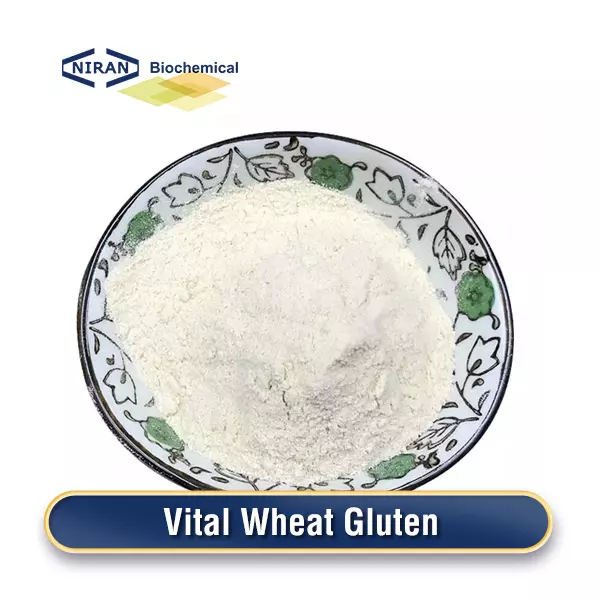
Vital wheat gluten (VWG) is a protein-rich powder extracted from wheat flour that contains mainly gluten — the elastic protein complex responsible for dough strength and structure. VWG is created by hydrating wheat flour to activate the gluten, then rinsing away most of the starch and drying the remaining gluten into a powder.
Unlike regular flour, vital wheat gluten contains minimal carbohydrates and starch, making its protein content exceptionally high — typically 70–80% or more by dry weight.
Properties of Vital Wheat Gluten
| Property | Description |
| Appearance | Beige powder |
| Protein Content | ~70–80% (dry basis) |
| Texture | Elastic when hydrated |
| Functional Traits | Water absorption, elasticity, binding, improved gas retention |
| Solubility | Partially soluble in wet mixes |
Key Functional Characteristics:
Elasticity and Strength – VWG provides strong protein networks that trap gas during fermentation, improving rise and texture in dough.
Water Absorption – It binds water effectively, increasing dough hydration and yield.
Versatile Ingredient – Used to enhance dough structure, texture, and performance across many applications.
How Vital Wheat Gluten Is Made
Vital wheat gluten is produced through a multi-step extraction process:
- Hydration of Wheat Flour – Flour is mixed with water, activating gluten proteins.
- Washing Out Starch – The hydrated dough is rinsed repeatedly to wash away starch and soluble components.
- Recovering Gluten – The elastic gluten mass that remains is collected.
- Drying and Milling – The gluten is dried and ground into powder.
This process concentrates the protein fraction of wheat and produces a pure, functional ingredient used across food industries.
Nutritional Profile
Vital wheat gluten is predominantly protein and very low in carbohydrates and fat. Typical nutritional values per 100 g are:
| Component | Amount per 100 g |
| Calories | ~370 kcal |
| Protein | ~75 g |
| Fat | ~1.9 g |
| Carbohydrates | ~14 g |
| Iron | ~5.2 mg |
| Calcium | ~142 mg |
Benefits of this profile:
- Extremely high in protein, beneficial for muscle maintenance and satiety.
- Low in fat and carbohydrates, making it useful for concentrated protein enrichment.
Main Applications of Vital Wheat Gluten
Baking Industry
Vital wheat gluten is most widely used in yeast-leavened bread to improve dough strength and volume. It enhances elasticity and gas retention, particularly important in:
- Whole grain breads
- Low-protein flour baking
- Breads with heavy mix-ins (seeds, fruits, grains)
Adding VWG results in taller, more evenly risen loaves with improved crumb structure.
Meat Alternatives (Seitan Production)
VWG is the primary ingredient in seitan — a popular vegan protein source with a meat-like texture. When mixed with water and spices, the gluten forms a firm, chewy dough that can be cooked in many ways to mimic meat.
Processed Foods and Meat Extenders
In industrial food production, VWG is used to:
- Improve texture and juiciness of meat or meat-free products.
- Act as a binder and extender in meat formulations.
- Provide structural support in mixtures requiring high protein or chewiness.
Pet Foods and Animal Feed
Thanks to its high protein content and binding properties, VWG is sometimes incorporated into pet foods and animal feed as a nutrient-rich binder.
How to Use Vital Wheat Gluten (Practical Tips)
In Breadmaking:
- Typical addition is 1–2 tablespoons per 2–4 cups of flour when improving rise or texture.
- VWG absorbs more water, so additional hydration may be required.
In Seitan Recipes:
- Combine VWG with liquid and seasonings.
- Knead to develop elasticity.
- Simmer, steam, or bake to achieve desired texture.
Benefits of Vital Wheat Gluten
Performance Benefits
- Boosts dough strength and rise in bread.
- Improves texture and structure in baked goods.
- Enables creation of plant-based meat alternatives like seitan.
Nutritional Benefits
High protein density supports dietary protein needs.
Low in fat and carbs, highly protein-dense.
Functional Advantages
- Versatile in formulation, able to enhance texture across many food types.
- Increases water holding capacity, improving dough yield and texture.
Comparisons with Other Protein Sources
| Ingredient | Protein % (Approx.) | Typical Use |
| Vital Wheat Gluten | 70–80 % | Dough enhancement, seitan |
| High-Protein Flour | 12–16 % | Baking basic flour |
| Soy Protein Concentrate | ~70 % | Protein enrichment |
| Whey Protein | ~80 % | Sports nutrition |
Takeaway: VWG rivals or exceeds many concentrated plant protein sources in protein content, with the unique function of improving elasticity — something few other proteins offer.
Safety, Sensitivities and Dietary Considerations
Gluten Sensitivity and Celiac Disease
Vital wheat gluten is unsuitable for those with celiac disease or gluten intolerance, as it contains concentrated gluten proteins that trigger immune reactions in sensitive individuals.
Allergy Considerations
Some people have wheat protein allergies, distinct from gluten intolerance, causing symptoms from mild irritation to severe reactions.
Digestibility and General Health
While safe for most people, gluten can be harder for some to digest fully because gluten proteins are resistant to breakdown by digestive enzymes.
Market and Availability
Vital wheat gluten is widely available in both retail and industrial formats. Retail packaging is sold through baking supply stores and online food ingredient vendors. Industrial-grade VWG is supplied to bakeries, food manufacturers, and pet food producers worldwide.
Brands and packaging vary, but quality is generally judged by protein percentage and purity — with higher protein products preferred for functional performance.
Future Trends and Innovation
With rising demand for plant-based protein, vital wheat gluten remains a staple in the development of meat alternatives and hybrid products that combine meat and plant proteins. Its elasticity and structure-enhancing properties are also being studied for novel applications in gluten-reduced and high-performance food formulations.
Vital wheat gluten is a highly functional, high-protein food ingredient that plays a crucial role in modern baking and plant-based cuisine. Its ability to improve dough structure, provide protein density, and act as a building block for seitan makes it indispensable for both home cooks and food manufacturers alike. While it is not suitable for gluten-free diets, its wide range of applications, nutritional value, and performance benefits make it a versatile and valuable ingredient in the global food landscape.