
Maltodextrin is one of the most versatile and widely used food ingredients in the modern food industry. From processed foods to sports nutrition, pharmaceuticals to personal care, this ingredient plays a crucial role in formulation, texture, energy delivery, and more.
What Is Maltodextrin?
Maltodextrin is a polysaccharide — specifically a short-chain carbohydrate — frequently used as a food additive and ingredient. Chemically, it consists of D-glucose units linked mostly by α-1,4 glycosidic bonds, forming chains typically ranging from 3 to 17 glucose units in length. This structure makes it easily digestible and rapidly absorbed by the human body.
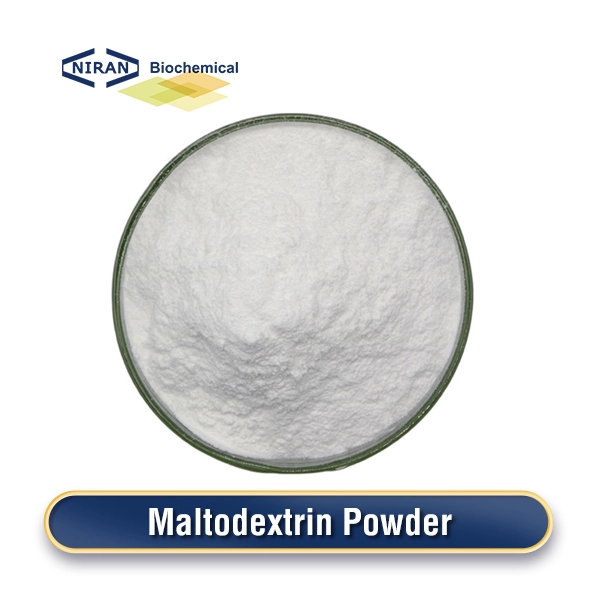
Commercially, maltodextrin is a white, hygroscopic (moisture-absorbing), spray-dried powder that dissolves readily in water. Depending on the degree of hydrolysis — measured by the Dextrose Equivalent (DE) value — it may be almost neutral in taste or mildly sweet, though significantly less sweet than table sugar.
History & Background
The development of maltodextrin aligns with advancements in food technology and the increased demand for functional ingredients in processed foods during the 20th century. First recognized in industrial food systems in the mid-1900s, maltodextrin quickly became popular due to its combination of digestibility, cost-effectiveness, and versatility. Over time, its applications expanded beyond food into pharmaceutical and personal care products.
Today, maltodextrin is produced at industrial scales worldwide, with corn starch being the most common source in the U.S., while other starches like potato, rice, wheat, or tapioca are also used.
How Maltodextrin Is Produced
Source Materials
Maltodextrin begins with starch, a carbohydrate polymer derived from plants such as:
- Corn – the predominant source in North America
- Potato – often used in Europe
- Rice and tapioca – used for specialty or gluten-free products
- Wheat – less common due to potential allergen concerns
Production Process
The production involves partial hydrolysis — breaking down long starch molecules into shorter glucose chains using acids, enzymes, or a combination of both. A typical process:
Starch Slurry Creation
Starch is mixed with water and heated to create a paste.
Hydrolysis
The paste is treated with enzymes (like alpha-amylase) and/or acids to break the starch into maltodextrin chains.
Purification & Drying
The hydrolyzed slurry is filtered, purified, and spray-dried into a fine powder.
Dextrose Equivalent (DE)
DE is a key parameter indicating the degree of hydrolysis. A higher DE means shorter sugar chains and sweeter taste, while a lower DE implies longer chains, less sweetness, and greater functionality as a bulking agent.
Key Physical & Chemical Properties
| Property | Description |
| Appearance | White, hygroscopic powder |
| Solubility | Highly water-soluble |
| Taste | Neutral to mildly sweet |
| Digestibility | Rapidly digested to glucose |
| Caloric Value | ~4 kcal/g (same as sugar) |
| Glycemic Index | High — around 110+ |
| Reactivity | Chemically stable under most conditions |
Maltodextrin’s physical properties make it ideal as a carrier, bulking agent, and stabilizer in formulations.
Applications & Uses
Food & Beverage Industry
Maltodextrin’s primary use is in food and beverage products. Common applications include:
Texture & Mouthfeel
Maltodextrin helps improve the body and texture of foods like sauces, gravies, soups, and salad dressings. It can give a smooth, creamy mouthfeel without adding fats.
Bulking Agent & Carrier
Because it’s water-soluble and free-flowing when dry, maltodextrin is used to:
- Encapsulate flavors or oils
- Carry powdered ingredients (e.g., spices or vitamins)
- Stabilize instant drink mixes and powdered soups
Sugar & Fat Replacement
Maltodextrin can replace sugar or fat in low-calorie or “light” products. While it has calories, it contributes bulk without intense sweetness, which helps reduce fat content while maintaining texture.
Sports Nutrition
Athletes and active consumers benefit from maltodextrin’s rapid digestibility. It’s commonly found in:
- Sports drinks
- Energy gels and bars
- Recovery supplements
Here, its quick absorption helps supply energy and replenish glycogen during long activities.
Processed Foods
Maltodextrin is ubiquitous in packaged foods — from chips and candies to cereals and salad dressings — boosting texture, volume, stability, and shelf life.
Non-Food Uses
Beyond food, maltodextrin serves roles in:
- Applied in pharmaceutical formulations to support active ingredients
- Commonly found in personal care items including lotions, shampoos, and skin creams
- Industrial applications requiring binding or water-soluble carriers
Nutritional Profile & Digestibility
Maltodextrin is rapidly broken down to glucose during digestion, delivering approximately 4 calories per gram, similar to table sugar. Due to its easily digestible carbohydrate structure, maltodextrin has a high glycemic index and can rapidly increase blood glucose levels.
| Nutrient | Value per 1 g |
| Calories | ~4 kcal |
| Carbohydrates | ~1 g |
| Sugar | Varies (depends on DE) |
| Protein & Fat | 0 |
Its quick absorption makes it beneficial for rapid energy needs but potentially problematic for people with diabetes.
Health & Safety Considerations
Regulatory Status
The FDA recognizes maltodextrin as safe for food use. Similar safety designations exist in the EU and Canada.
Digestive & Metabolic Effects
Although safe, maltodextrin’s high glycemic index may quickly raise blood sugar levels.
Emerging research suggests that high intake of maltodextrin — especially in ultra-processed foods — may impact gut microbiota and inflammation, but more studies are needed to confirm these effects in humans.
Allergens & Dietary Restrictions
Although maltodextrin can be made from wheat starch, the final product is typically gluten-free. However, labels should still be checked for allergens if wheat is a potential source.
Advantages of Maltodextrin
Maltodextrin offers several benefits that make it indispensable in food science:
- Functional versatility: Enhances texture, acts as a carrier, and improves stability.
- Low cost and easy production: Economical for large-scale manufacturing.
- Rapid energy supply: Useful for sports and medical nutrition.
- Neutral taste: Maintains original taste without impacting overall flavor.
Limitations & Controversies
Despite its benefits, there are concerns surrounding maltodextrin:
- High Glycemic Index: May elevate blood glucose rapidly after consumption.
- Association With Ultra-Processed Foods: Often present in foods linked to poor dietary patterns.
- Potential Gut Health Impact: Preliminary research hints at microbial changes but requires more evidence.
Maltodextrin Alternatives
Depending on the application, alternatives include:
| Alternative | Use Case |
| Cornstarch | Thickening |
| Tapioca starch | Gluten-free binder |
| Pectin | Gelling agent |
| Sugar Alcohols (e.g., erythritol) | Sweetener with lower glycemic impact |
| Inulin | Prebiotic fiber |
Each substitute has trade-offs in sweetness, cost, digestibility, and processing behavior.
Future Trends & Innovations
The food industry continues to innovate around functional carbohydrates. Trends include:
- Resistant Maltodextrin: Modified to act as dietary fiber and prebiotic.
- Clean-Label Alternatives: Consumer demand for simpler ingredients is prompting reformulation.
- Enhanced Delivery Systems: Using maltodextrin in microencapsulation for nutrients and flavors.
- These developments may shape how and where maltodextrin is used in years to come.
Conclusion
Maltodextrin is a popular, cost-effective additive in the food industry. From texture enhancement and energy delivery to encapsulation and stabilization, its applications are broad and deeply embedded in modern food science.
While generally safe and effective, its high glycemic response and association with ultra-processed foods mean consumers and formulators should use it knowledgeably. As innovation continues and consumer preferences shift, maltodextrin’s role may evolve, but its functional impact will likely remain significant.