
Citric Acid Anhydrous is a widely used organic acid known for its versatility, high solubility, and functionality across food, pharmaceutical, cosmetic, and industrial applications. This comprehensive guide will cover everything you need to know — from its chemical properties and production methods to its applications, safety considerations, market dynamics, and future outlook.
What Is Citric Acid Anhydrous?
The anhydrous form refers to citric acid that has been processed to contain no water of crystallization, making it more concentrated and suitable for applications where a low moisture content is required.
Chemically, citric acid’s formula is C₆H₈O₇, and it belongs to a class of tricarboxylic acids that play critical roles in metabolism and industrial chemistry.
Key Properties of Citric Acid Anhydrous
| Property | Value / Description |
| Chemical Formula | C₆H₈O₇ |
| Molecular Weight | 192.12 g/mol |
| Appearance | White crystalline powder |
| Density | ~1.67 g/cm³ at 20 °C |
| Melting Point | ~153–159 °C |
| Solubility | Readily dissolves in water and ethanol. |
| pH (1% solution) | Acidic (~2–3) |
| Stability | Stable when dry, breaks down when heated. |
These physical and chemical characteristics make citric acid anhydrous especially well suited for use where moisture control and precise acidification are important — such as in dehydrated mixes, effervescent tablets, and certain food processing operations.
Physical Forms
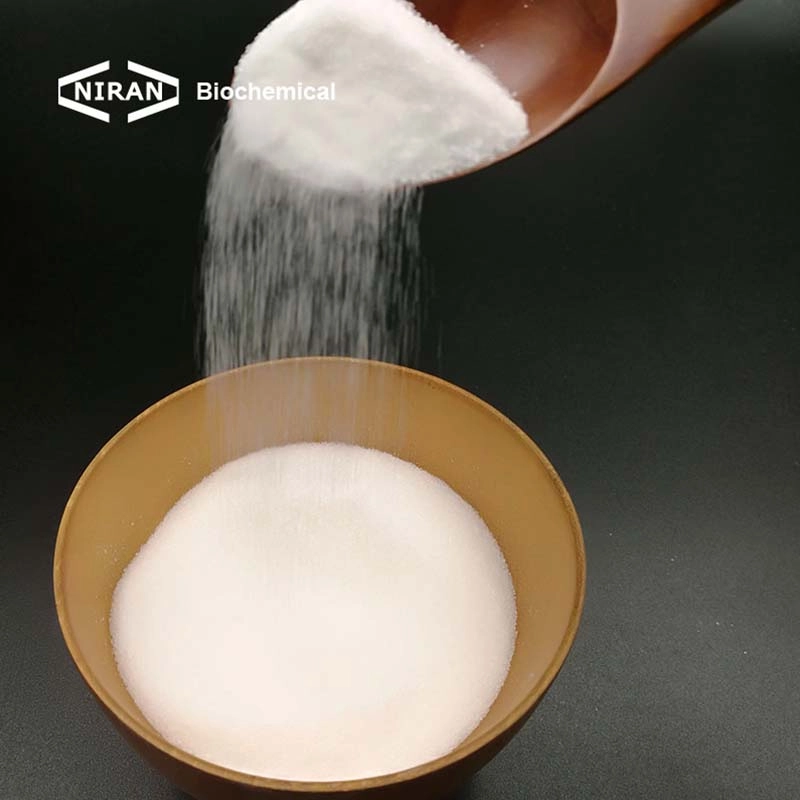
Citric acid anhydrous is a white crystalline powder with low moisture, enhancing shelf life, stability, and handling in dry formulations.
Because it is anhydrous, it is often preferred over citric acid monohydrate in applications where adding water could compromise product quality or processing efficiency.
How Citric Acid Anhydrous Is Produced
Fermentation (Microbial Synthesis)
The most common and economically viable method of commercial citric acid production uses microbial fermentation:
- Sugary feedstocks such as glucose or molasses are fermented with organisms like Aspergillus niger.
- During fermentation, microbes transform sugars into citric acid.
- Post-fermentation, citric acid is extracted, refined, and dried.
Advantages:
- Environmentally friendly
- Wide availability of feedstock
- High purity achievable
Challenges:
- Requires careful microbial culture control
- Generates wastewater requiring treatment
Chemical Synthesis
Chemical routes — although less common — involve oxidation of carbohydrates under catalyzed conditions and subsequent purification to yield citric acid. These methods are often used where fermentation infrastructure is unavailable or specific industrial configurations are required.
Once citric acid is produced, dehydration processes remove water to convert citric acid monohydrate into citric acid anhydrous, suitable for applications needing low moisture content.
Applications of Citric Acid Anhydrous
Citric acid anhydrous is highly functional due to its acidity, chelating ability, and solubility. Here are its major uses across industries:
Food & Beverage
- Acidulant: Balances flavor in beverages like sodas and fruit drinks.
- Preservative: Helps extend shelf life by inhibiting microbial growth.
- Chelating agent: Binds metal ions to stabilize colors and flavors.
- pH Regulator: Ensures consistent acidity in processed foods.
Pharmaceutical & Nutraceutical
- Acts as a pH adjuster and stabilizer in effervescent tablets and syrups.
- Serves as a stabilizer in vitamin C and mineral supplements.
Cosmetics and Personal Care
- Adjusts pH and improves shelf life in creams, lotions, and hair care.
- Acts as a chelating agent to enhance preservative performance.
Cleaning and Detergents
Enhances performance in scale removal and metal cleaning products due to its metal chelating ability.
Used in eco friendly household cleaners.
Industrial & Technical Uses
In industrial settings, citric acid anhydrous helps with metal surface treatment, descaling boiler systems, and wastewater treatment applications due to its mild acidity and chelating properties.
Safety, Handling & Storage
While citric acid is generally recognized as safe for food use, safety considerations are important during handling and storage:
Personal Protective Equipment (PPE)
- Wear eye protection and gloves when handling concentrated powder to avoid irritation.
- Avoid inhaling fine dust, which can irritate the respiratory tract.
Storage Conditions
- Keep in a cool, dry location to prevent moisture.
- Keep containers tightly sealed and labeled.
First Aid Measures
- Wash the affected area thoroughly with water.
- Flush the eyes with water for 15 minutes, and seek medical assistance if irritation persists.
- Move to fresh air and consult a healthcare professional if symptoms remain.
Although safer than many industrial chemicals, citric acid dust can pose respiratory irritation if handled without adequate ventilation.
Environmental and Sustainability Profile
Citric acid generally has a favorable environmental profile
- It biodegrades readily in wastewater systems.
- Fermentation production uses renewable feedstocks.
- Compared with strong mineral acids, citric acid is regarded as more environmentally benign in many consumer and industrial applications.
However, large scale production can yield wastewater requiring treatment and energy consumption must be managed for sustainability.
Market Dynamics and Price Considerations
Citric acid anhydrous pricing and supply are influenced by:
- Raw material costs (sugars like molasses or glucose)
- Energy costs associated with fermentation and dehydration
- Worldwide demand from the food, pharma, and cosmetics industries
- Supply chain variations due to seasonal factors or export constraints
Understanding market trends helps manufacturers and buyers plan procurement and pricing strategies — especially in competitive sectors where ingredient costs directly impact product pricing.
Comparison with Other Organic Acids
Citric acid anhydrous is often compared with other acids like tartaric acid or malic acid:
- Citric acid: Strong tartness, excellent chelating properties.
- Tartaric acid: Strong acidulant with distinct flavor profiles.
- Malic acid: Provides a sustained sour taste.
The choice of acid depends on flavor, pH requirements, and regulatory status in food applications.
Regulatory and Quality Considerations
For food and pharmaceutical use, citric acid must meet regulatory and purity standards set by authorities like the FDA, USP, and EU food additive regulations. Purity levels, heavy metals, and microbial limits are critical quality checkpoints for safe formulation.
Conclusion
Citric acid anhydrous’s desirable chemical and physical properties — combined with a strong safety and environmental profile — have made it a staple ingredient globally.
Whether you’re a food technologist, pharmaceutical formulator, or industrial chemist, understanding this ingredient’s behavior, handling requirements, and market trends is essential for maximizing performance and value in your products.